
Don't Let Renewals Sink the Rent Roll
A quick gut-check for brokers before your clients get blindsided.
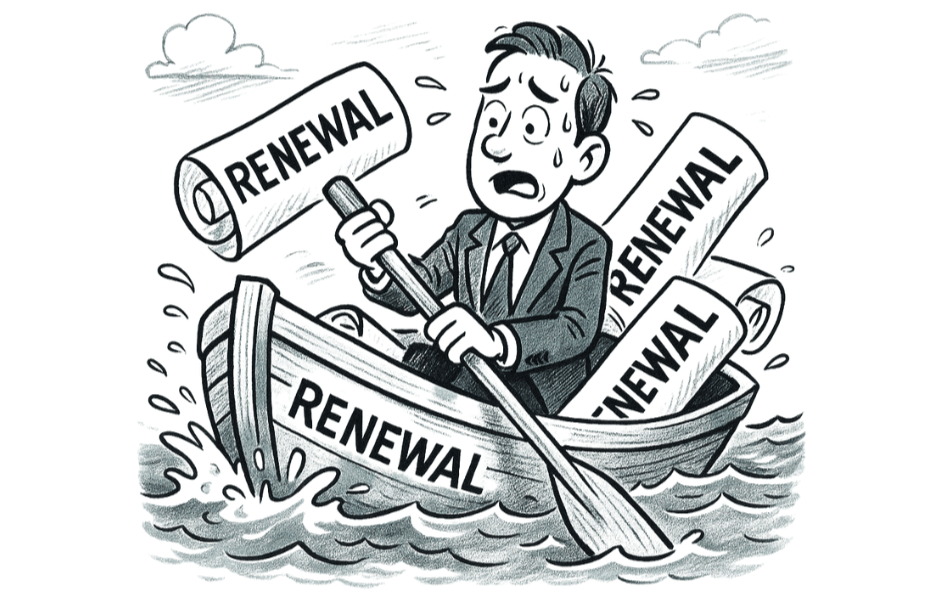
It happens every year. An owner misses a critical renewal window, notices
go out late, and suddenly they’re stuck with a building full of month-to-
month tenants or rents they can't raise (fast enough).
Why? Because Washington’s renewal laws are complex, and many owners
still treat renewals as a back-office admin task. It’s not. It’s a strategic
decision.
For brokers in the Puget Sound, this is your reminder: get your clients to
focus on this now. Help them get ahead of it before they lose control of their
own assets.
1. The Rules Are Real, and They Are Costly
The days of casual renewals are long gone. Washington has shifted to
tenant-protective timelines, and local jurisdictions—especially Tacoma—add
serious layers of complexity and cost.
Here's the short version:
Statewide Notice: Any rent increase requires a 90-day written
notice.Tacoma Notices: This is where it gets tough. Tacoma requires two
separate notices for rent increases: a first notice between 180-210
days before the increase, and a second notice between 90-120 days
before it takes effect.Tacoma's Measure 1: This is the real trap. In Tacoma, if a rent
increase is over 5%, the owner is on the hook for graduated relocation
assistance (starting at two months' rent and scaling up). Do your
clients know that information about this assistance must be included
in the rent increase notice itself? If not, the notice is invalid, and
they're back to square one.
2. Getting Behind Means Staying Behind
With the new statewide rent increase limit (pegged at 7% + CPI, maxing out
at 10% annually), being reactive is more expensive than ever.
This is exactly how owners get stuck. If your client is 20% below market
because they've been asleep at the wheel, they can't fix it in one cycle.
They're capped at that ~10% increase. It will take them years to close that
loss-to-lease gap, all while their own expenses (taxes, insurance,
maintenance) are rising.
Being proactive isn't just about compliance; it's the only way to protect the
NOI.
3. What's the Business Plan?
A renewal should never be an automatic "yes." It has to tie directly to the
owner's business plan.
Ask your clients:
Are we trying to stabilize cash flow?
Are we pushing rents to close the loss-to-lease gap before a sale or
refi?Are we trying to stagger expirations to avoid a brutal turnover season
in December?
This is where a good lease matrix is critical. It helps visualize expirations,
spread them evenly, and keep the leasing team’s workload predictable.
And if you want to help them really dial it in, have them factor tenant
history into that matrix. When you can see chronic late payers or high-
maintenance tenants right next to their expiration dates, the decision to
renew (or not) gets a lot clearer.
Bottom line:
Brokers who can guide owners through this complexity aren't just doing
deals; they're protecting value and building real trust.
Do yourself (and your clients) a favor: pull a few of their rent rolls this
week. Ask these questions. If the answers are messy or you see a lot of
"TBDs," give us a call. We’ll help them build the right renewal system and
get their portfolio in order.
