
Experienced Apartment Management in Washington’s Tenant-Friendly Markets
Tackling crime, compliance, and income risk with disciplined operations
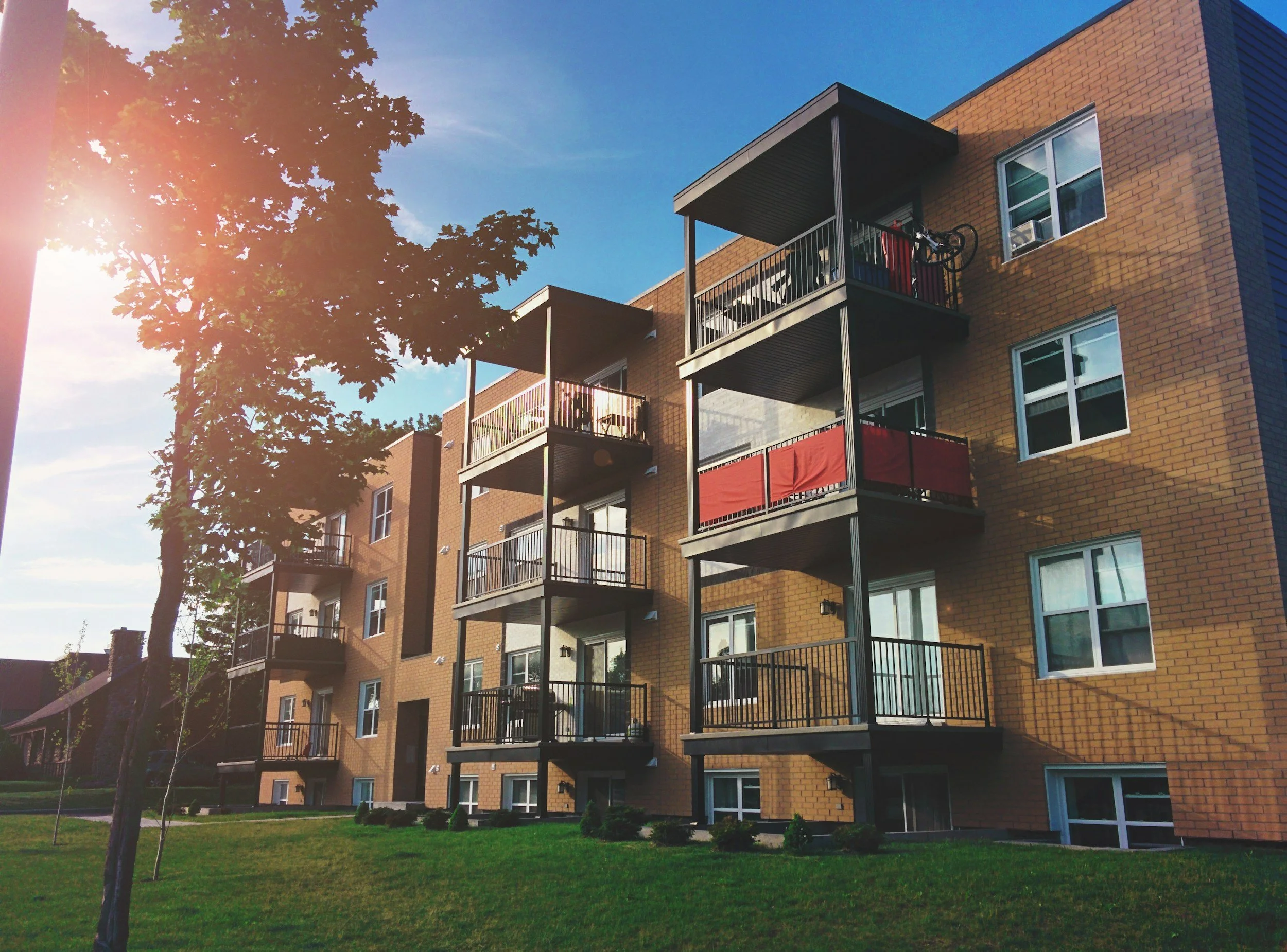
Washington has become one of the more tenant-friendly states in the country. Cities like Tacoma and Seattle have layered local rules on top of state law—adding new requirements for notices, rent increases, renewals, and resident protections. Some of these rules are clear and settled. Others are vague, internally inconsistent, or still being challenged and refined. For owners, the result is often a low-grade anxiety that one misstep—one incorrect notice, one missed deadline, one poorly documented decision—will turn into penalties, complaints, or headlines. At the same time, crime concerns, staffing challenges, and a more competitive leasing environment are pressing on income and putting real strain on on-site teams.
The question we hear most often:
“Is it still worth owning apartments in Washington?” Our answer: yes—but only with disciplined, local management that is built for this environment.
This brief covers the five concerns we hear most from owners, and how Starboard Real Estate responds to each in daily operations.
Why Starboard Is Built for This Environment
We operate every day in the markets owners worry about most. Our portfolio includes assets in Tacoma and greater Puget Sound, where some of the strictest rental rules and highest scrutiny in the state already exist. If an operating model works there, it travels well to almost any Washington submarket.
Proven in restrictive markets
We treat compliance as a daily operating discipline: correct notices, tracked timelines, clear resident communication, and documentation that stands up when tested.
Vertically integrated and owner-minded
Property management, construction oversight, and asset-management thinking live under one roof. Leasing, renewals, maintenance, and CapEx are all evaluated through the same lens: long-term NOI and asset value.
Compliance as a system, not a panic button
Instead of reacting to each new ordinance with ad-hoc memos, we run on standard templates, calendared deadlines, and trained staff. The law is embedded in the workflow, not taped to the wall.
Hands-on, not “set and forget”
We do not manage from behind a dashboard. We are on site—walking units, checking curb appeal, talking with residents and staff, and comparing the financials to what the property actually feels like.
Why owners choose Starboard
You get your time back – we handle the noise so you can focus on strategy and capital.
Your regulatory risk is managed – systems built around Washington and especially Tacoma’s rules.
Your property’s performance is not left to “the market” – we push on presentation, pricing, marketing, and follow-through before blaming the quarter.
You see what you’re paying for – simple fees, clear scopes, and reporting that ties dollars to decisions.
The Five Questions Every Owner Asks
Across submarkets and asset types, conversations keep coming back to five core questions
1. Will new regulations and tenant protections wipe out my returns?
2. If the market reports look fine, why isn’t my property leasing?
3. Why am I constantly retraining people and losing momentum?
4. What am I really paying for, and where are the surprises hiding?
5. Are we hiding behind software instead of delivering real service?
Here’s how we think about each.
1. Compliance and Income Loss
Headlines make it sound like every new rule is a permanent hit to revenue. The reality is more nuanced. Some laws do change how you can set rents or handle timelines. Others are hard to enforce as written and end up revised or clarified.
The bigger risk is operating without a clear system. One missed notice or relocation trigger can snowball into claims, delays, or write-offs.
Our approach:
Assume Washington will stay tenant-friendly and build operations accordingly.
Maintain a standard library of notices and letters for each jurisdiction.
Calendar every critical date—rent increases, expirations, non-renewals—so staff aren’t guessing.
Train teams to document conversations and decisions in the system, creating a record of good-faith compliance.
Bake legal constraints into revenue planning so pro formas don’t rely on tools the law has eliminated.
When compliance is systematic, you can focus on strategy instead of firefighting.
2. Leasing Performance Beyond Market Statistics
Occupancy dips, but the market report still looks fine. The default explanation is “traffic is down” or “everyone is offering concessions.” Some of that may be true—but most underperformance we see is fixable.
Prospects don’t read research reports. They react to photos, curb appeal, tour experience, pricing, and the story the leasing team tells.
How we diagnose:
Start with the basics: listings, photos, floor plans, pricing, concessions, and availability.
Mystery-shop: Are calls and emails answered quickly? Is there a clear, confident narrative about the property’s value?
Check whether the digital presentation actually matches reality on site.
When compliance is systematic, you can focus on strategy instead of firefighting.
3. Staffing Consistency and Experience
Operations live or die with the team on site. High turnover means constant retraining, weak follow-through, and lost institutional memory. Owners feel that as choppy execution: leasing plans that never quite stick, maintenance backlogs that reappear, policies that keep shifting.
In a tight labor market, you don’t keep good people with a generic job description and vague goals.
Our staffing model:
Tiered staffing—people are assigned based on experience and skill level, not permanently welded to a single asset.
Exposure to different property types and challenges, so strong performers can grow without having to leave.
Clear connection between roles and financial results: budgets, collections, renewals, and resident satisfaction.
We also invest in training most firms skip: communication, problem-solving, and understanding how daily choices show up in the financials. The goal is a confident, stable team that executes reliably over time.
4. Fees, Transparency, and Expense Control
Owners want to know whether management fees and corporate allocations are aligned with performance—and to avoid surprises, especially on items that feel discretionary. We share that bias. Every operating dollar has an opportunity cost. The relationship should feel like a partnership, not a black box.
Our approach:
Keep fee structures simple and clear, with written scopes that spell out what’s included.
Communicate in advance about non-routine expenses and projects, so owners can approve, adjust, or defer before money is spent.
Train site teams to use monthly income and expense reports as active tools—tracking trends, flagging variances, and proposing changes—rather than treating financials as a static accounting output.
Internally, we often describe this as a consulting mindset: happily working with existing vendors and staff where that makes sense, and verifying conditions on site instead of assuming.
5. Technology, Social Media, and Real Customer Service
Modern property management platforms and AI tools can automate routines, speed up responses, and surface real-time data. They can also become a shield—tickets and auto-replies instead of real engagement.
For residents, home is not just another subscription. When something breaks, they want to know a real person is paying attention. When they decide whether to renew, their memory of maintenance, communication, and basic respect weighs heavily alongside the rent.
How we use tech:
Fluent in AppFolio, Yardi, RealPage OneSite, and related tools, using them to increase speed and visibility—not to avoid residents.
Tailor the tech and marketing stack to each property so we can respond quickly when performance slips, instead of waiting for the next quarter’s dashboard.
Preserve human touchpoints in leasing and service, making it easy for residents to reach someone when it really matters.
The payoff is straightforward: better resident experience, stronger renewals, fewer avoidable complaints and move-outs.
Closing: Owning in Washington, On Purpose
Owning apartments in Washington is not simple, and it’s not going to get simpler. But complexity does not automatically mean poor returns. It does mean you have to be more selective about who runs your assets, and more demanding about systems, judgment, and accountability.
Starboard has chosen to lean into Washington’s tenant-friendly environment rather than avoid it. We operate where rules are strictest, build our processes around what actually happens in those markets, and measure success by the performance and stability of the properties we manage over time.
If you’re evaluating a new acquisition, reconsidering how an existing asset is managed, or simply want a second set of eyes on your current operating plan, we’re happy to sit down, review the details, and share what we see working in the field today.
Starboard Real Estate Bold in Service to You.